Insights from one of the city’s most influential architects
Kobi Karp is one of the most respected names in Miami architecture. For over 30 years, his firm — Kobi Karp Architecture & Interior Design — has shaped the city through multi-billion-dollar homes, towers, and landmark developments. His work includes iconic properties such as Palazzo Del Sol and Palazzo Della Luna in Fisher Island, as well as boutique hotels and innovative new-development towers across South Florida.
As Miami continues rising as a global design capital, Karp’s perspective offers a clear view of where the city is heading.
According to Karp, Miami has evolved from a resort destination into a cultural and economic center.
What defines the city’s architectural identity today?
• A balance of history and innovation
Miami’s design language is rooted in climate, light, and landscape. But the city has also matured in its appreciation for preservation — particularly in Miami Beach, where Karp has helped restore historic buildings that carry Miami’s heritage.
• A skyline shaped by global talent
As Miami attracts international architects, developers, and creative industries, the city now blends cultural preservation with climate-resilient, forward-thinking design.
At Suma Realty, we see this evolution reflected in the rising demand for homes and towers that honor both history and a modern way of living.
Karp highlights Miami’s multicultural energy — a fusion of American, European, and Latin American influences that creates a style both global and local.
• Nature as a central design element
The tropical environment — the water, the greenery, the sky — inspires architects to blur the lines between indoors and outdoors.
• A bold, creative approach
Miami has become a destination for world-renowned architects who see the city as a canvas for innovation.
This is part of the allure for luxury buyers: Miami offers stunning design, international culture, and a lifestyle impossible to replicate elsewhere.
With new development booming, many wonder if Miami risks oversupply. Karp disagrees.
He explains that:
Miami’s demand now comes not only from tourism, but from finance, tech, and creative industries relocating to the city.
Developers are approaching new projects with more discipline — building only when there is solid demand.
Modern buyers prioritize flexibility, wellness, and community, shaping the way new towers are designed.
This aligns with what we see at Suma Realty: buyers want turnkey living, strong amenities, and residences designed for real lifestyles — not just aesthetics.
Karp’s latest project, Edge House, is a 57-story tower with over 600 fully furnished residences.
Its design philosophy focuses on:
• Seamless integration with its surroundings
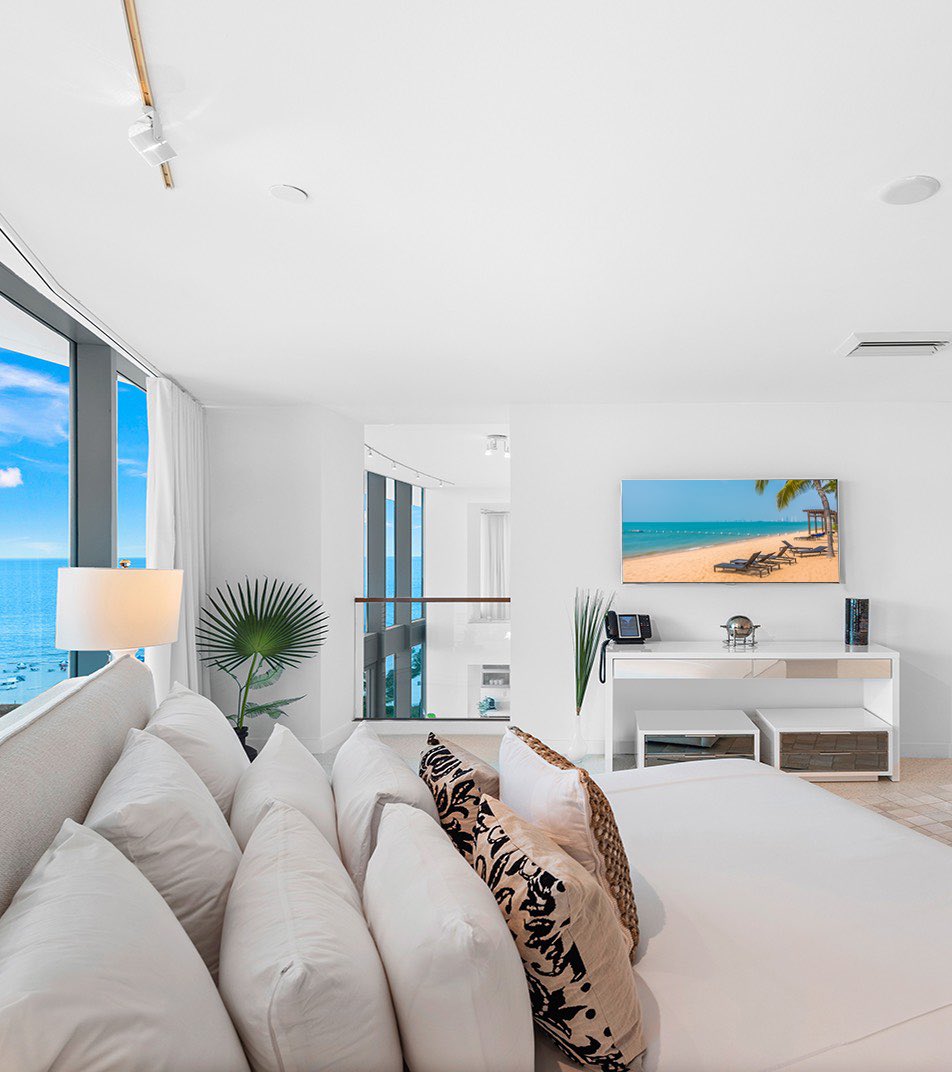
Floor-to-ceiling glass, sweeping views of Biscayne Bay, and architecture shaped by natural light.
• Spaces ready for modern life
Studios to three-bedroom layouts, including flexible units with restricted access for privacy.
• Amenities designed for today’s resident
Wellness areas, multiple pools, coworking studios, podcast rooms, social lounges — all facing Margaret Pace Park.
Edge House represents the new Miami: dynamic, connected, and tailored to residents who want both comfort and community.
For Karp, seeing Miami evolve through the buildings he designed is deeply fulfilling. He witnessed the city grow from the Miami Vice era into a global powerhouse for culture, business, and architecture.
His work has contributed not only to the skyline, but to the identity and resilience of Miami.
Karp describes his approach as designing from the environment outward:
- The landscape, light, and human movement shape the form.
- Architecture must feel authentic, resilient, and emotionally connected to place.
- Curved designs, like those in Edge House, come from the site itself — framing sunrises, sunsets, and the natural energy of Miami.
According to Karp, yes. Miami has matured into a cosmopolitan, place-driven design identity.
It celebrates nature and light, embraces sustainability, and blends craftsmanship with tropical openness.
This blend of refinement and creativity is part of what attracts Suma Realty’s clients — international buyers seeking beauty, culture, and long-term value in one of the world’s most vibrant cities.